Contact Us Today

Schedule a consultation with us and hear back within 24 hours

Schedule a Consultation
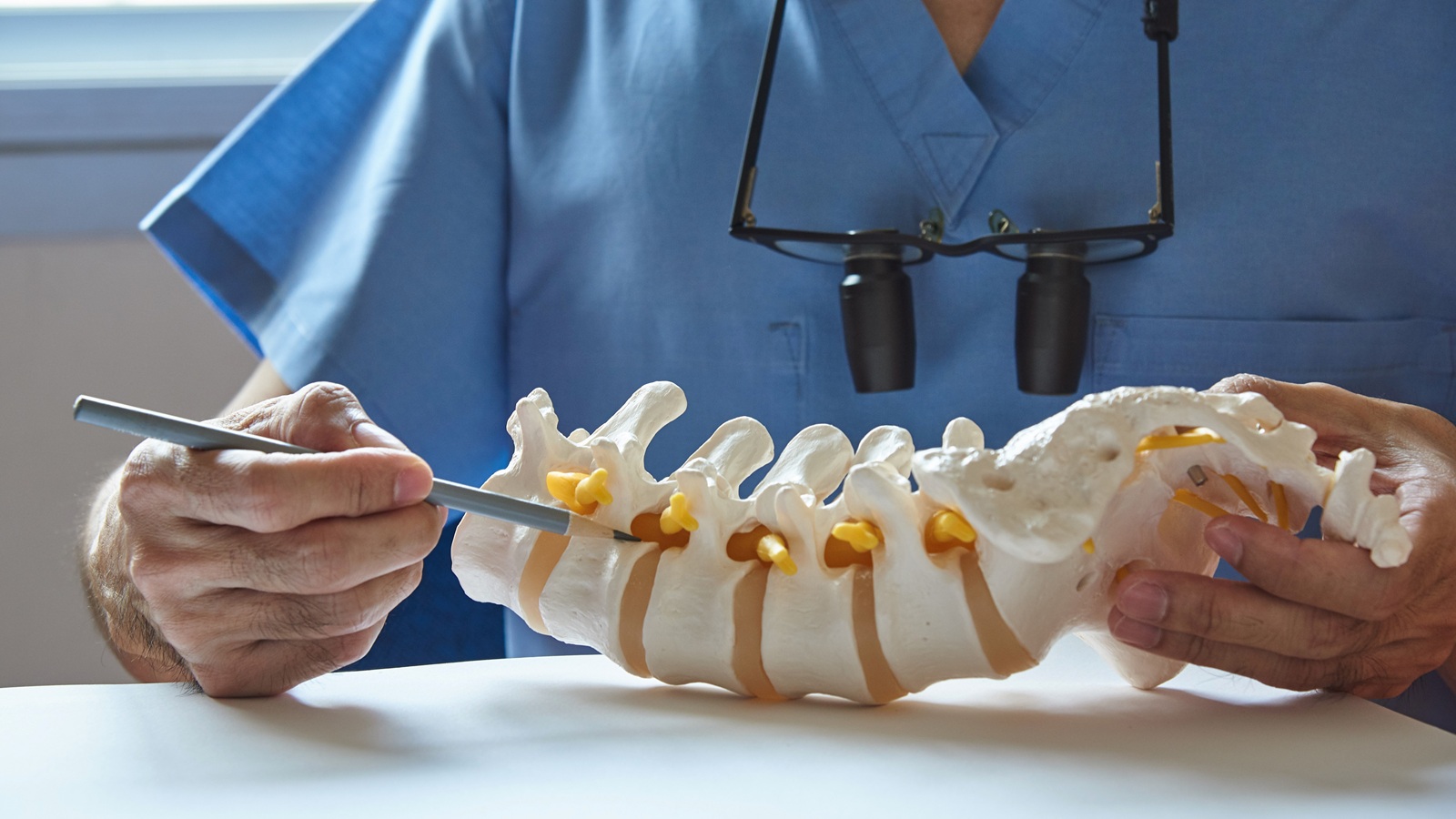
A neurosurgeon pointing at lumbar vertebra model

TLIF vs. PLIF: Which Spinal Fusion Is Right for You?

By Back Pain, Minimally Invasive Spine, Minimally Invasive Spine Blogs, Spine Speciality

TLIF and PLIF are two approaches to lumbar spinal fusion that can help treat certain conditions affecting the lower back. While both procedures fuse vertebrae and relieve pressure on spinal nerves, they differ in how the surgeon accesses the spine and handles surrounding tissue. Learn how TLIF and PLIF compare, including their surgical approaches, recovery, and factors that may influence which procedure your spine surgeon recommends.

Read More
Recovery After ACDF Surgery: Anita’s Story

Dr. Jonathan Yun Saves Patient From Paralysis After Spinal Cord Injury

By Back Pain, Minimally Invasive Spine, Minimally Invasive Spine Blogs, Spine Speciality

Anita Hastings suffered a severe cervical spinal cord injury after a fall that left her unable to move her arms and legs. Following emergency ACDF surgery, months of rehabilitation, and years of continued recovery, she regained significant mobility and independence. Her story highlights the importance of timely treatment, rehabilitation, and the fact that spinal cord recovery can continue for months or even years.

Read More
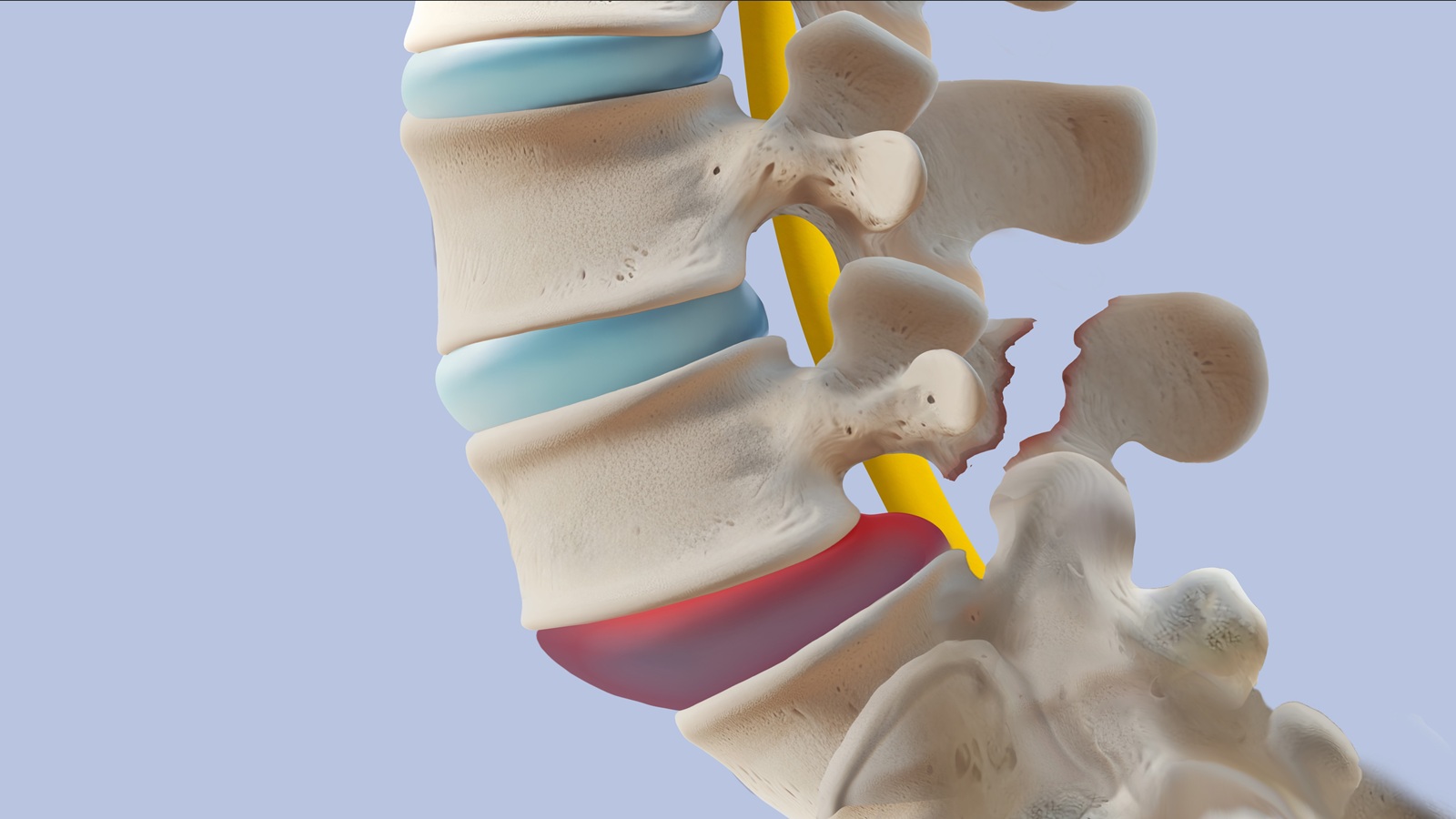
Human spondylolisthesis anatomy medical illustration.

Pars Defect of the Lumbar Spine: What to Know

By Back Pain, Minimally Invasive Spine, Minimally Invasive Spine Blogs, Spine Speciality

A pars defect is a stress fracture in a small bridge of bone in the lower spine, most common in teen athletes who play sports involving repeated back extension, like gymnastics, football, and dance. While the injury can sound alarming, most cases heal with rest, physical therapy, and activity changes, and surgery is rarely needed at diagnosis. Learn how pars defects are diagnosed, treated, and what long-term recovery looks like.

Read More
Man with pinched nerve in his neck.

Pinched Nerve in the Neck: Treatment Options

By Back Pain, Minimally Invasive Spine, Minimally Invasive Spine Blogs, Neck Pain

Sharp pain shooting from your neck into your shoulder or arm often signals a pinched nerve, known medically as cervical radiculopathy. While the condition can be alarming, most people find relief through conservative treatments like physical therapy, medication, and rest, without ever needing surgery. This guide walks through the causes, symptoms, diagnosis, and full range of treatment options available.

Read More
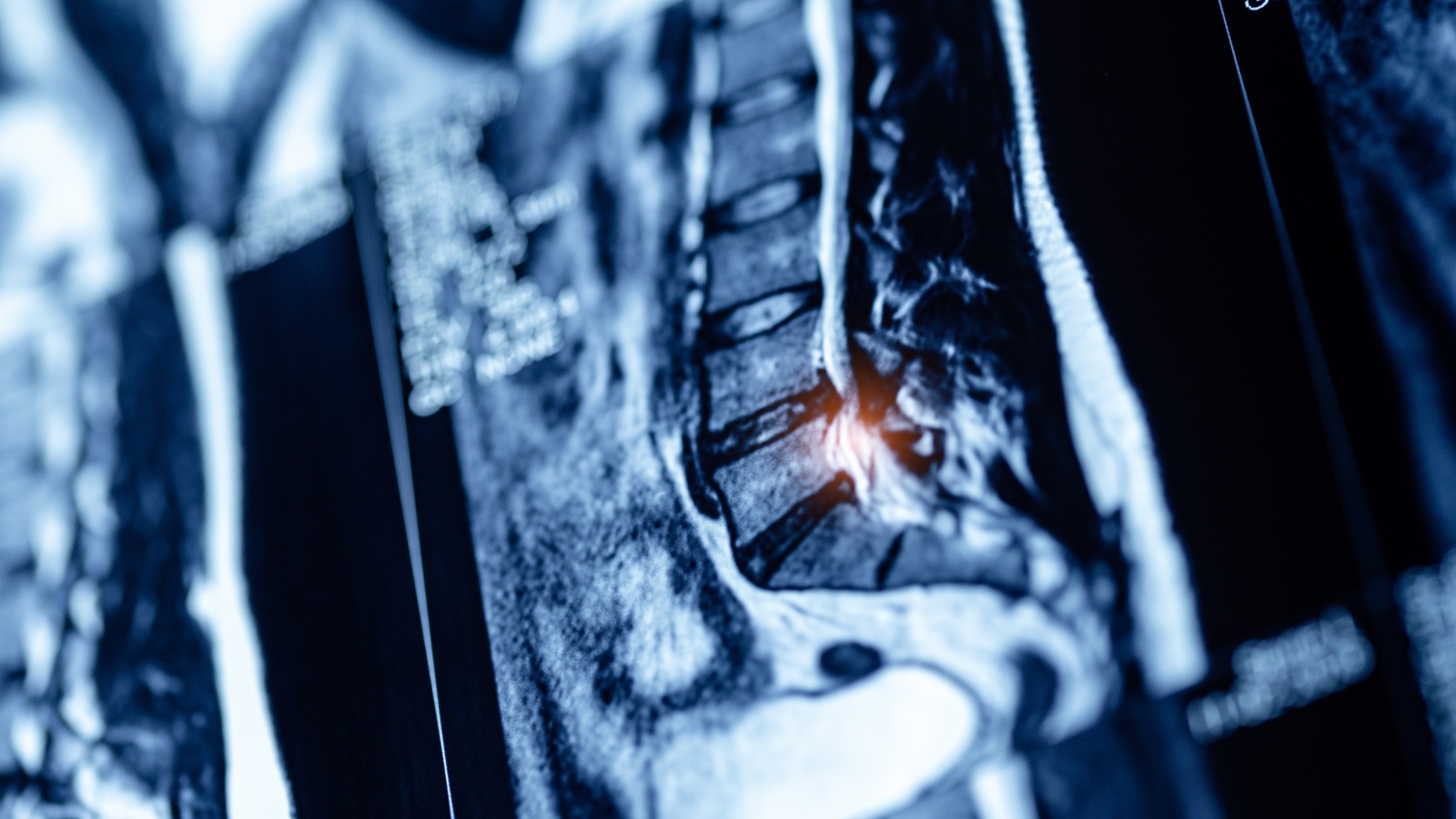
Close up lumbar spine mri scan with highlighted pinched nerve.

Surgery for a Pinched Nerve in Your Back: What to Know

By Back Pain, Minimally Invasive Spine, Minimally Invasive Spine Blogs, Spine Speciality

A pinched nerve in the back can cause shooting pain, numbness, tingling, or weakness that travels into the leg. While many people improve with non-surgical treatments, surgery may be recommended when symptoms persist or worsen. Learn about common pinched nerve surgeries, when they may be necessary, and what to expect during recovery.

Read More